
Subsoil Drainage Sydney
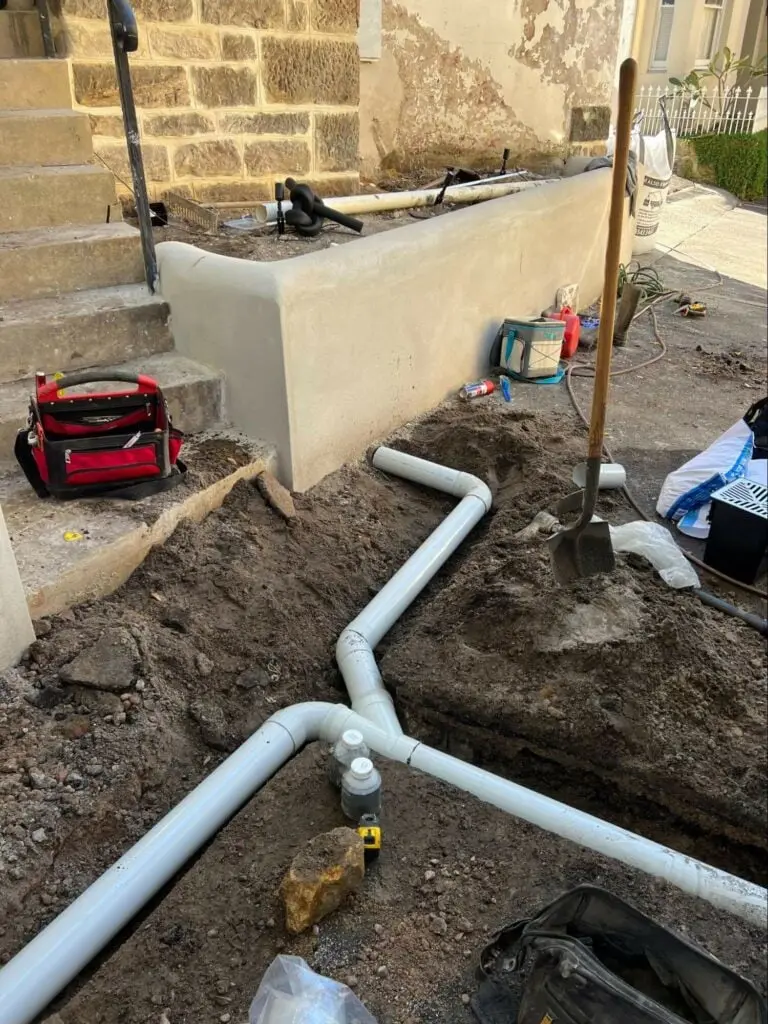
For subsoil drainage across Sydney, Cleared Now Drain Plumbing lays ag drains behind retaining walls, under and beside slabs and on soggy lawns.
Wednesday Drain Deal
Call Now & Get $65 Off Your First Service
Every job is quoted in writing before any digging starts, and the call-out fee is $0. Each agi drain is designed for the nature of the soil and the expected water level, quantity and movement. We tell you on site exactly what the property needs. Ag drains are one part of our drainage installation work across the city.
-
Honest Diagnosis
-
$0 Call-Out Fee
-
Same Day Service
-
Lifetime Labour Warranty
What Does Subsoil Drainage Do?
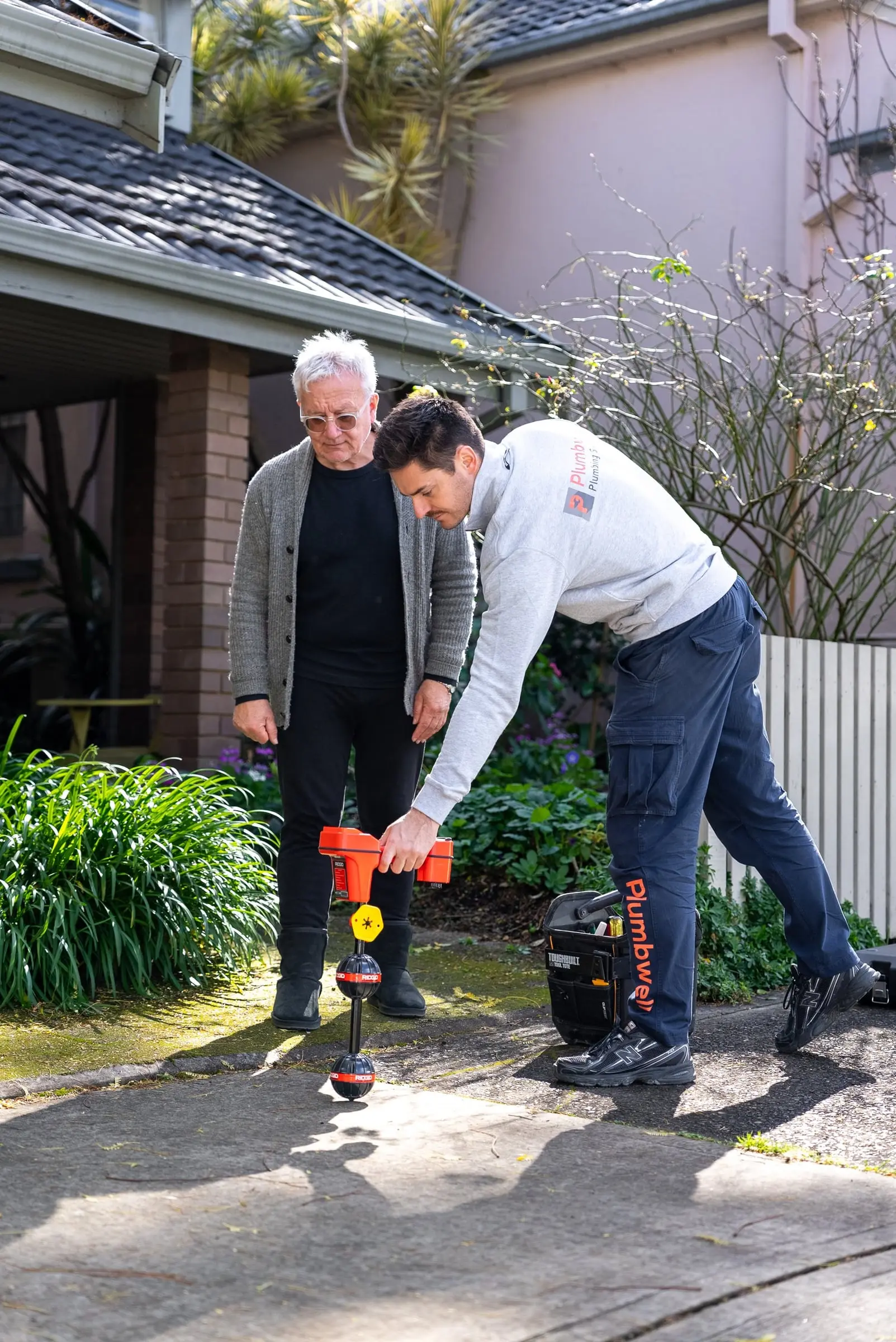
Subsoil drainage is a drainage system that collects and diverts subsurface water through slotted pipe in gravel, away from footings, basements and retaining walls. The National Construction Code (NCC) explains the risk in its explanatory note: water moving through the ground could damage buildings or cost amenity through excess moisture or lateral water pressure. The work sits under AS/NZS 3500.3, the stormwater drainage standard. The City of Sydney tells owners with drainage problems to contact a licensed plumber for inspections and maintenance. The trade also calls the same idea agricultural drainage. A French drain differs in depth and fill, and our French drains page carries that comparison.
Where the Water Goes
The outlet decides the drain: a subsoil drain has to connect and discharge somewhere, and the fall, the pit and the connection follow from that. The run can be flatter than you'd expect, because NCC 2022 sets a uniform 1:300 fall for a drain taking water from beneath a building:
-
The Silt Pit
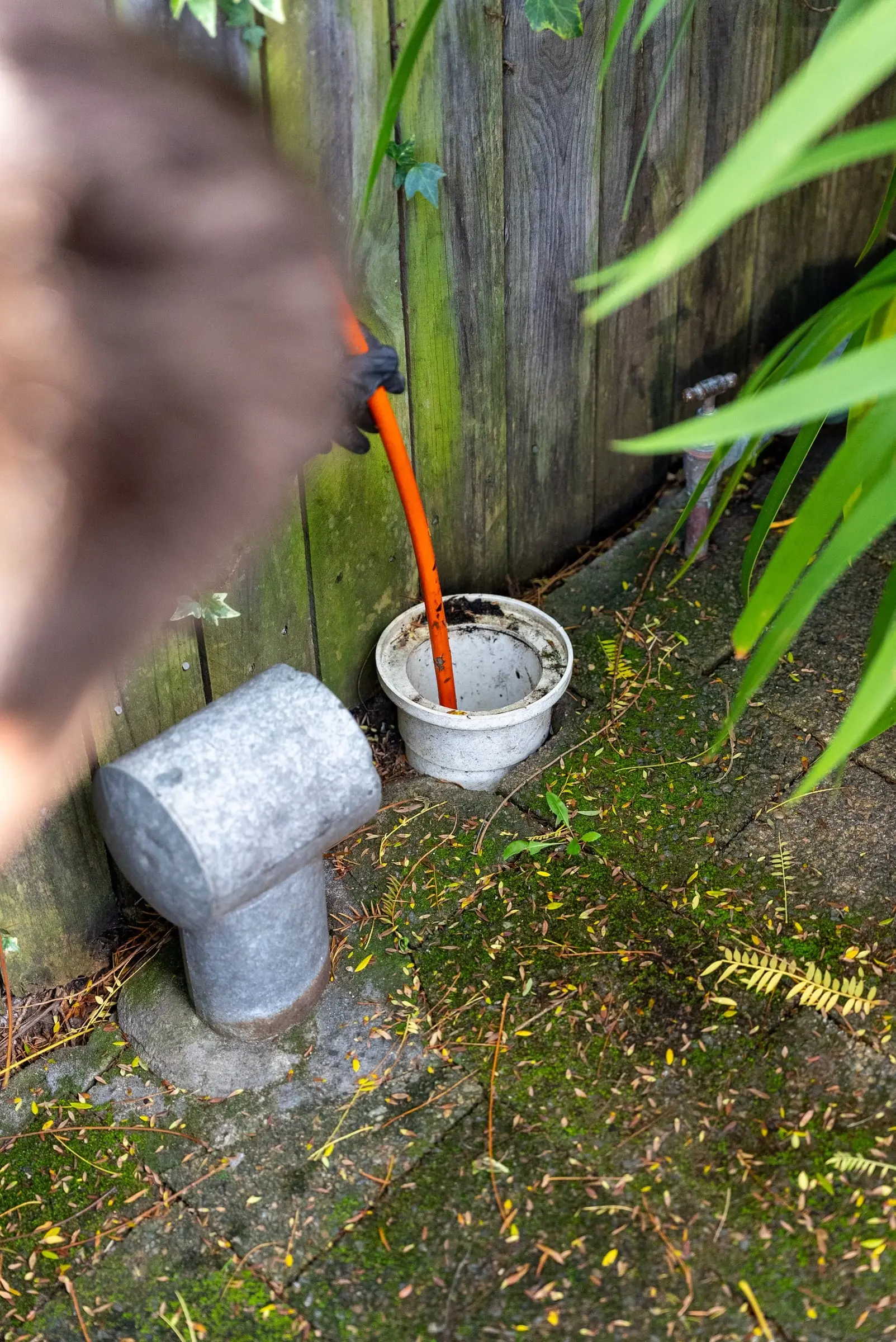
The drain runs into an external silt pit or sump. The pit catches soil washing along the line. NCC 2022 sets the pit's outlet at least 50 mm below the inlet, into the impervious drainage line. The impervious line is a solid pipe without slots. The pit also allows for cleaning and maintenance from the surface.
-
The 1:300 Fall
Yes, ag pipes need fall, and NCC 2022 sets a uniform 1:300 or more for a subsoil drain taking water from beneath a building. A 1:300 fall is a drop of 1 for every 300 along the pipe. The fall and silt pit clauses come from the National Construction Code 2022 Part 3.3.
-
Stormwater, Never the Sewer
The connection goes to the property's stormwater system or a soak pit. Vinidex's Draincoil guide bars any connection into the sewerage system. Sydney Water's own wastewater overflows page explains why: in very heavy rain, a direct stormwater connection overflows the wastewater system. If the job also needs new stormwater pipes and pits, that work sits on our stormwater page.
Socked or Unsocked Ag Pipe
Socked or unsocked is a soil question, not a pipe question. The answer sits in the ground around the agi drain:
-
Gravel or Coarse Sand
The filter zone is the gravel or coarse sand packed around the pipe. Vinidex sets the aggregate size for its Draincoil pipe at no more than 13 mm, or coarse sand. Vinidex also calls for a 50 mm underlay and a 150 mm overlay of filter material, in a trench about 200 mm wider than the pipe.
-
Backfill Above the Pipe
Most water enters the pipe from below, according to Vinidex's Draincoil guide, so in heavy clay the pipe sits just into the solid clay layer. Vinidex's guide also calls for granular backfill up to the top of the clay. Only porous backfill sits above the pipe, never heavy clay soil.
-
Slotted, Unslotted or Socked
Subsoil ag pipe comes slotted or unslotted, with an optional filter sock in polyester or polypropylene. A slotted drain pipe takes water in along its run, and an unslotted pipe carries water where no collection is wanted.
Subsoil Drain or Surface Drainage
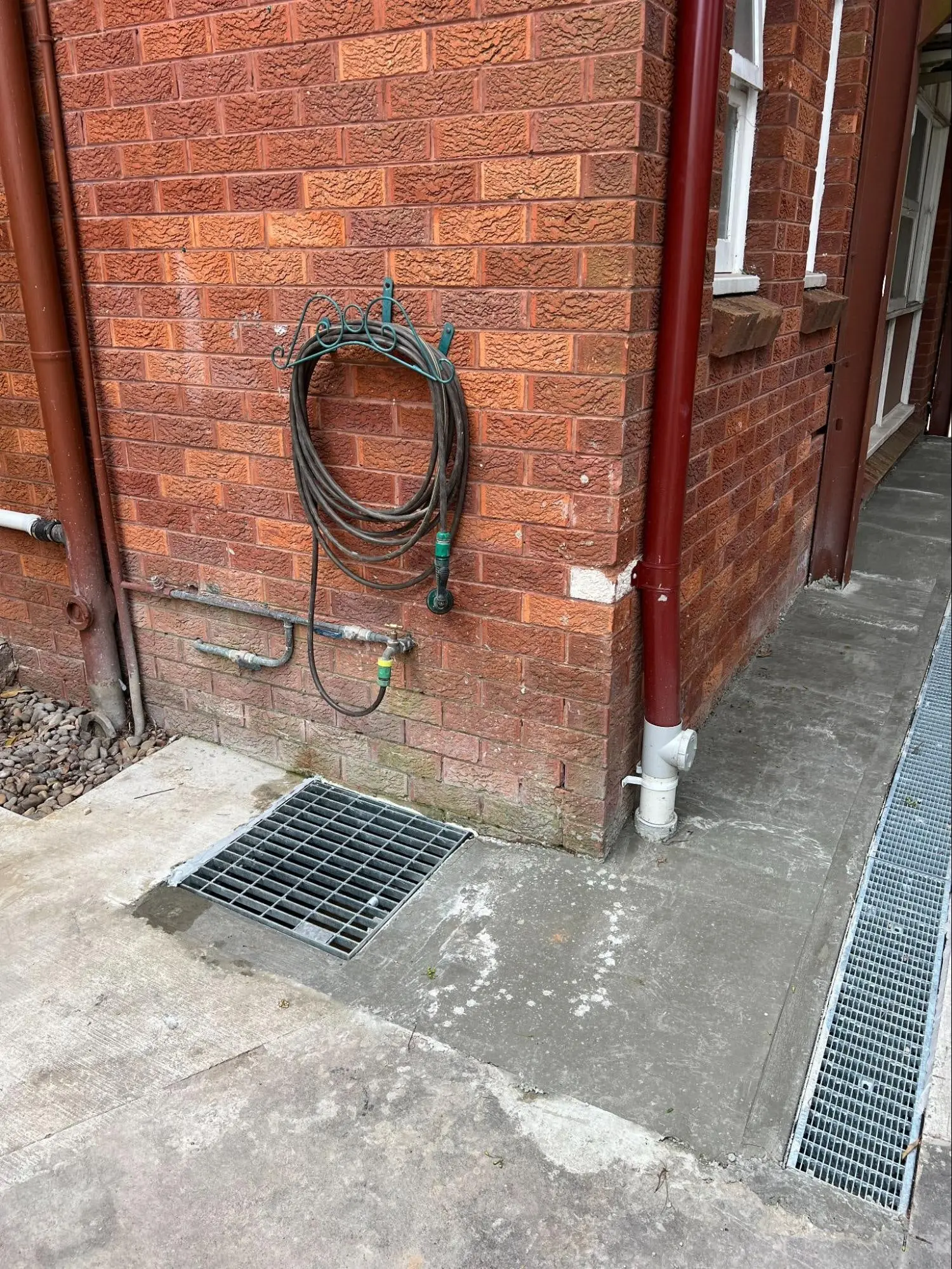
Subsoil drainage takes water out of the soil, and surface drainage handles water at the surface. Beside a slab-on-ground home, the finished ground drops at least 50 mm across the first 1 m. In clay, the NCC's note allows a subsoil drain only where no other option deals with the subsoil water. Surface drainage suits water off a higher block that pools down the side of the house. Some owners get written advice to run ag pipe right around the house, and in clay that only suits a block where nothing else deals with the water. Where the ground already sheds water, surface work does the job without digging.
-
Clay Soil Beside Footings
A subsoil drain can alter clay's long-term moisture and harm the foundation by drawing water out or, sometimes, letting water in, as the National Construction Code's explanatory note warns. Check first for a neighbour's ag line hard against your house, soaking away beside the slab. Digging beside existing footings must stay inside the area NCC Figure 3.3.2 marks as safe for excavation. Digging below that area needs extra protection set by qualified people.
Subsoil Drainage We Install Across Sydney
The NCC itself names the spots that suit an ag drain: the uphill side of a cut and fill site, beside deep footings, behind retaining walls and beside basement walls:
-
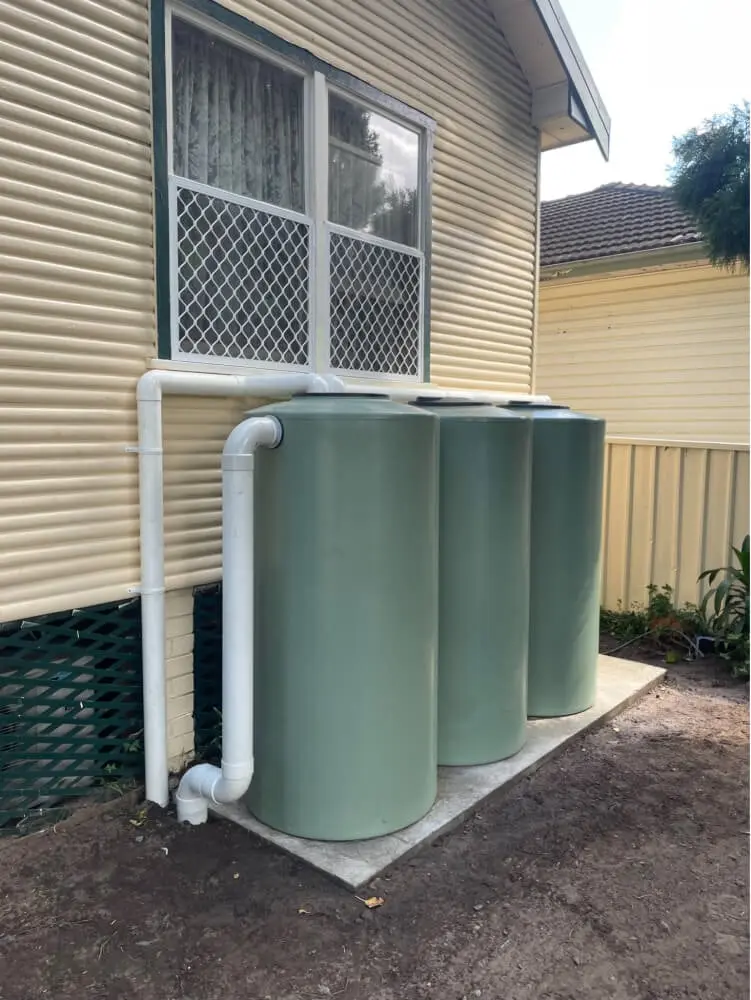
Under and Beside Slabs
Get a quoteNCC 2022 3.3.4 covers a drain beneath a building or beside a slab, calling for a uniform fall and a silt pit at the outlet. The FAQ below covers pouring a new slab over an old ag pipe.
-
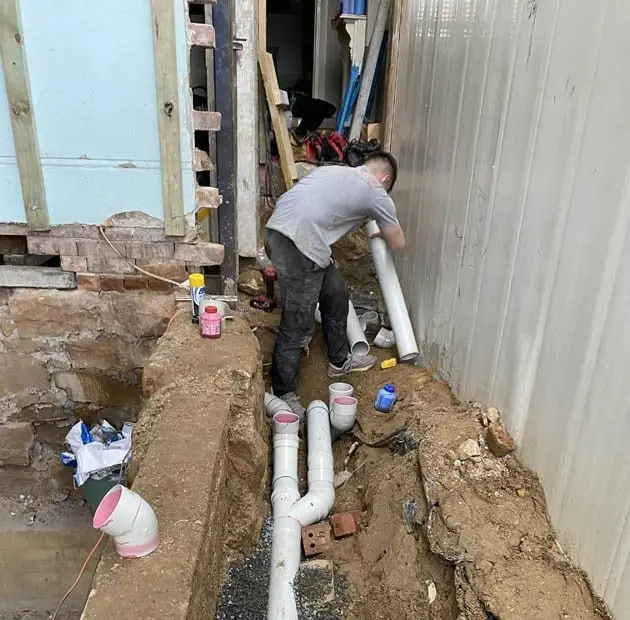
Wet Lawns and Gardens
Get a quoteWe lay ag lines through a boggy lawn, the kind where thin topsoil over flat clay never drains. The pipe takes water out of the soil, so wet lawns get the drainage they need from below. For surface fixes for a boggy backyard, see our backyard drainage page.
-
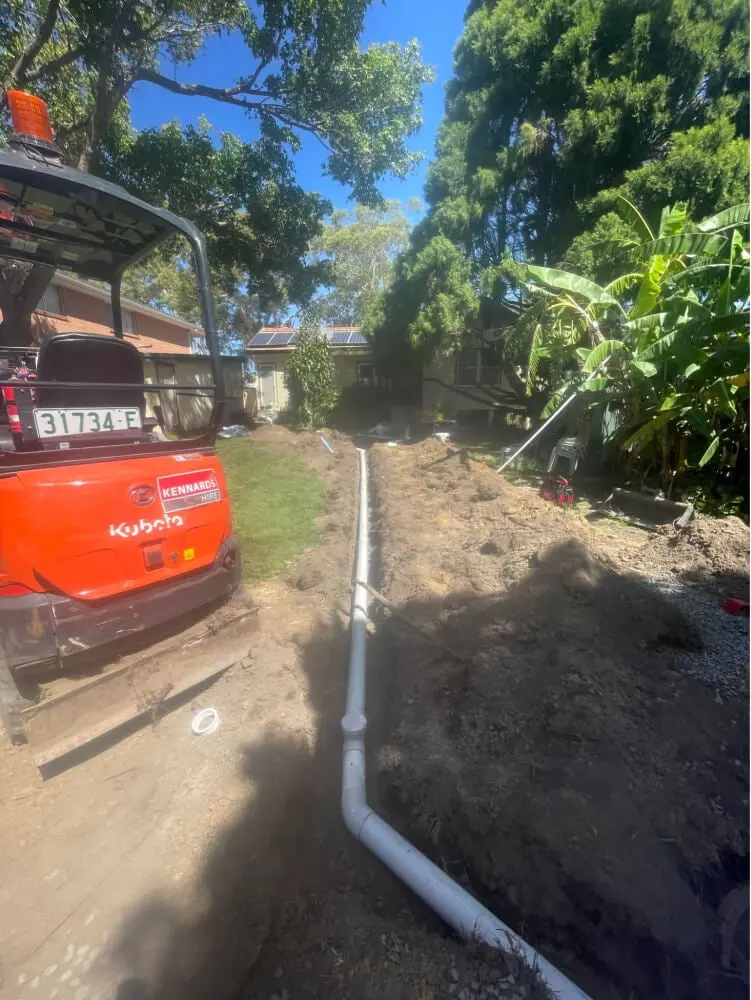
Behind Retaining Walls
Get a quoteWhen water gathers behind a wall, a drain at its base carries the water away before it builds up. The exempt-development rules bar earthworks and retaining walls in NSW from sending surface or ground water, or sediment, onto an adjoining property. The wall also sits at least 2 m from any other retaining wall on the property. The retaining wall drainage page covers the drainage layers and the full build behind a backfilled wall, and it carries the depth figures.
Our Process
Ag drain installation runs from the trench and gravel to the silt pit in five steps:
-
Site check
The soil and the water decide the design. We allow for the nature of the soil and the expected water level, quantity and movement, and the team says on site exactly what the property needs. -
Plans before digging
Free Before You Dig Australia (BYDA) plans show where Sydney Water's assets are before anyone digs. -
Written quote
The price comes in writing before we start, on every job. Best Price Guaranteed applies on a written quote. -
Trench and filter zone
We dig the trench and build the filter zone to Vinidex's bedding figures for its Draincoil pipe. -
Pipe, fall and outlet
The pipe goes in with the 1:300 fall where it takes water from beneath a building. The silt pit's outlet sits at least 50 mm below the inlet, and the line connects to stormwater, never the sewer.
Why Choose Cleared Now Drain Plumbing
Cleared Now Drain Plumbing brings a local, owner-led team, 15+ years' experience and 300+ five-star reviews to every drainage job, from the first trench to the final silt pit. Four things stand behind the work:
-
Honest Diagnosis on Site
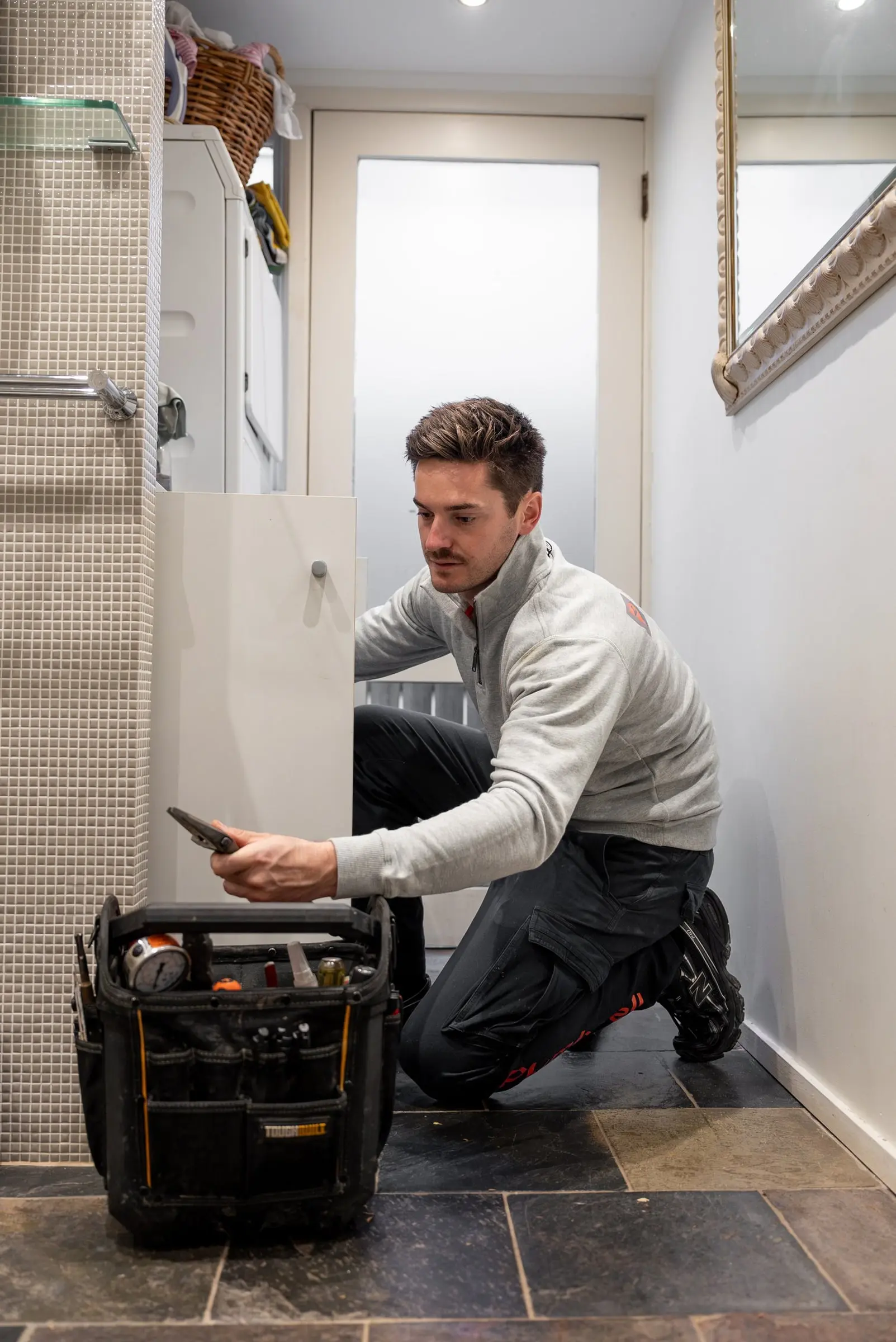
On site, we say what the property needs, whether that's ag pipe in gravel or a surface fix, and what we'd do before any work starts.
-
$0 Call-Out Fee
Your call-out fee is $0. You get fair, upfront pricing, no surprises.
-
Same Day Service
You reach a real person whenever you ring, and Same Day Service applies to every drainage call-out.
-
NSW Contractor Licence
Our contractor licence 498750C is issued by NSW Fair Trading for plumbing, draining and gasfitting.
Areas We Service
Cleared Now Drain Plumbing brings Same Day Service to the Northern Beaches, North Shore, Hills District, Inner West, Eastern Suburbs, Western Sydney, Sutherland Shire and South West Sydney.

Book Subsoil Drainage in Sydney
A boggy lawn, water pooling beside the slab or a wall weeping after rain all point to water in the soil. Ring (02) 9158 3577 and a real person picks up, 24 hours, to book Same Day Service with a $0 call-out fee. You get $65 off your first service as a new customer. Every drain is laid to the NCC's 1:300 fall and silt pit figures. The soil decides the design, and the written quote lands before any digging starts. With Cleared Now Drain Plumbing, the work carries the Lifetime Labour Warranty.
Frequently Asked Questions
How Deep Should an Ag Drain Be in Sydney?
Cover depth follows Vinidex's Draincoil guide: at least 300 mm where no vehicles drive, and 450 mm under vehicle loading outside roadways. The soil and the expected water also shape the right depth.
Can I Connect Ag Pipe to the Drainage System in Sydney?
Yes, ag pipe joins the property's stormwater system, never the sewer; Vinidex bars Draincoil pipe from the sewerage system. Mosman Council's adopted policy allows gravity subsoil drainage to join the property's drainage system, and that is Mosman's rule, not every Sydney council's. Where the line can end depends on what the property's drainage allows.
Does Agi Pipe Need a Sock?
No, the sock is an option: the pipe comes slotted or unslotted, with an optional polyester or polypropylene sock. The agi pipe post on our blog explains what the pipe is, its sizes and when it is needed. The soil and the expected water decide the design, so there is no rule of thumb. A wrap silting up in clay is a fair worry, and it is exactly why the choice follows the soil rather than the pipe.
Can an Ag Drain Go Under a Slab?
Yes, where it follows NCC 2022: a uniform 1:300 fall and a silt pit whose outlet sits at least 50 mm below the inlet. If you're pouring a slab over an old ag pipe, have that old line checked against those figures first.
How Much Does Subsoil Drainage Cost in Sydney?
Drainage behind a retaining wall runs $34 to $92 per metre, GST included, in Sydney, October 2026, according to What's The Damage. The band covers retaining-wall drainage, not every subsoil drain. Hand digging pushes the price up where rock, clay or access bars machines. What's The Damage's October 2026 plumber guide puts sandstone at $500 to $2,000 extra on excavation jobs. Under-slab work costs more again on slab-on-ground homes, common in Western Sydney. What's The Damage also lists a Sydney plumber's day rate at $800 to $1,200 on larger jobs, in the same October 2026 guide. You see the written quote before any digging starts.
How Do I Book Subsoil Drainage in Sydney?
One call to (02) 9158 3577 books Same Day Service, with a real person answering 24 hours. The call-out is $0, and the written quote comes before any digging.